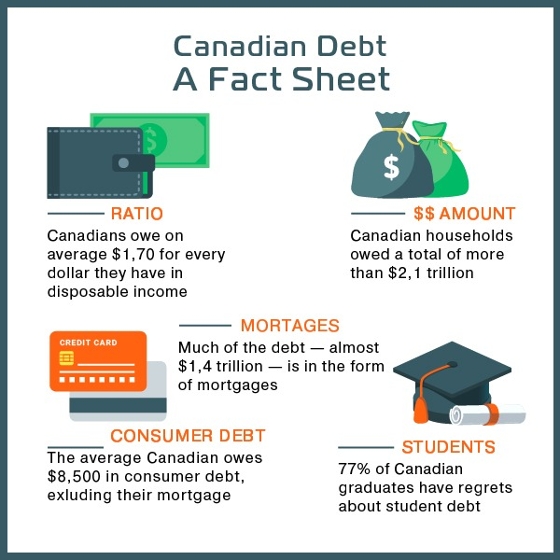
Your credit score affects many areas of your life from your spending abilities to your stress levels.
Missing a couple of payments on a credit card can dramatically drop your score, even after years of consistently meeting payment deadlines.
Your credit report tracks your spending history for the past six years and bad credit (FICO score) makes it nearly impossible to get financing for a home, car, credit card or even cell phone.
So if, for whatever reason, your score has plummeted — there’s a few things you can do to repair it.
1. Know your score
Finding out your credit score and history is the first step to knowing what went wrong and how to fix it.
You can get a copy from two main credit bureaus in Canada: Equifax (the most highly recognized) and Trans Union. If you send it in by mail, you can receive a copy for free or you can pay for a digital version for the benefit getting it faster.
2. Review your history
Make sure that there are no errors. It’s not likely but not impossible either.
Check that no late payments have been erroneously added to your account, all the charges made are accurate and that your payments went through correctly.
3. Start making payments
This may be easier said than done but it really is the key to improving your credit score.
Set up a reminder schedule and make sure you are paying off your debt bit by bit each month — and on time. If you want, you can set up payment reminders or automatic withdrawals.
The general rule is to keep debt within 65% of your credit limit. When it comes to paying off debt, start with the one with the highest interest rate first.
It may seem overwhelming but, chunk by chunk, it is possible to pay off debt if you stay consistent with it.
4. Avoid more debt
Be aware of the credit limit on your card and don’t go over that limit. Also keep in mind that having too many credit cards, especially newly open accounts, can also negatively impact your rating.
5. Pay off debt as soon as possible
Although it seems strange to go into debt to pay off debt, and contrary to the previous step, sometimes taking out a loan or borrowing money is the best way to save your credit score.
Balance what the interest looks like, how quickly you can pay it off and whether a loan will ease your credit history.
Sometimes, borrowing money with a low interest rate can help pay off high-interest credit card debt. Repaying debt on a credit card will help speed repairs to your credit history.
6. Take the initiative
Check your credit at least a few months before you need to make a big purchase or re-finance something so you have time to improve your score if needed. This will help give you the best interest rates when you most need them.
Lenders make a lot of their financing decisions by looking at your history. If you pay off debt the day before, you score and reputation is much less credible.
If you absolutely cannot make the minimum payment on your card, consider calling the lender and explaining the situation.
They may have advice or ways to help you; people often look favourably at those who reach out with honesty and initiative and are therefore more willing to help in return.
7. Protect your credit score
If you have bad credit, don’t panic — it’s easy enough to repair it by paying off the highest interest rates first and being consistent with debt management.
If you have good credit, make sure you protect it — set up payment reminders and don’t fall into debt if you can avoid it.
Keep old accounts, even if you are not using them very often, and don’t open too many accounts too soon because the age of an account positively impacts your score. Use fraud alert services and be careful of who you give your information to in order to avoid identify theft.