New property listed in Zone 09, Edmonton
Who doesn’t dream of a home-away-from-home vacation property on a picturesque lakeside somewhere?
A recent survey shows that sales of recreational property are on the rise across country and the prices are expected to appreciate by nearly six per cent this year, particularly in Alberta and British Columbia. Alberta is leading the way on recreational property purchases, reaching prices of $535,885 on average.
Retirees and baby-boomers are the ones driving up vacation property purchases, flocking to lakes and streams, the seaside and mountaintops, with an eye towards retirement or a secondary home to raise children.
However, a spike down in the recreational property purchases was reported due to the newly introduced speculation taxes in British Columbia.
The tax targets property purchased by those who live primarily outside of the province and second homes, causing many existing homeowners to sell their secondary homes to avoid the steep fees. For instance, although there was an increase in sales in BC, the prices actually decreased by 2.8 per cent to just over $53,000 on average across the province.
The speculation tax also encouraged Albertans, one of largest cohorts of recreational buyers in BC, to look for properties elsewhere — like closer to home in their own province. Regions like Canmore, and west of Calgary in the Rocky Mountains were especially popular this year.
But the speculation tax is only part of the equation. Some areas in B.C., like the Cariboo, saw cabin prices soar by 25 per cent for lakefront properties. This is despite the new taxes and wildfires that devastated the region last summer.
Overall, the fluctuation on recreational homes are down to people’s appetite for certain type of properties and their prices. These trends are expected to continue in the upcoming years.
Outdoor Vintage and More Market (July 7)
An outdoor market of all things antique and vintage from shabby chic to handmade.
Oh Snap! '90s Movie Marathon (July 12 – 15)
Good old movies and classics from the previous decade.
A festival that celebrates the diverse culture of the African continent.
Taste of Edmonton 2018 (July 18 – 29)
One bite at a time, discover this city through food.
Parks Day Celebration (July 21)
A great way to celebrate the outdoors and explore Elk Island National Park.
Greenify your home with indoor wall planters that are not only functional but stylish as well.

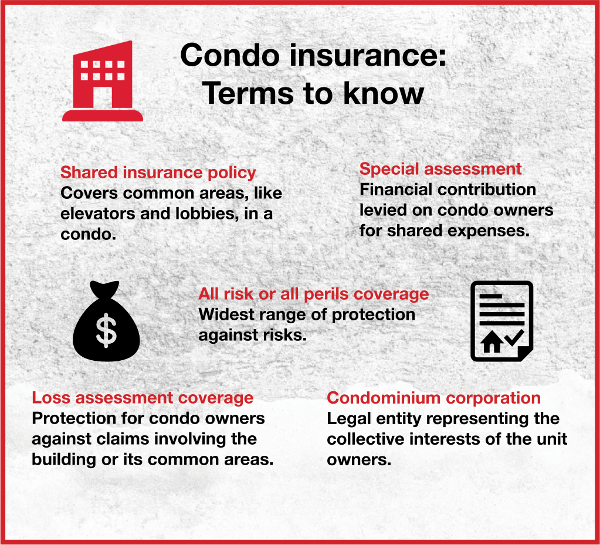
Condominiums typically have an overall insurance policy covering the building but it’s nonetheless still important for individual condo owners to look into their own policies. Shared insurance doesn’t cover personal belongings, for example, or other costs that an owner could incur in the case of an emergency.
Insurance is particularly noteworthy when it comes to special assessments, a levy or financial contribution that can be imposed on condo unit owners.
Usually, special assessments and other costs like strata fees are explained and disclosed at the time of purchase. In the case of an emergency though, a special levy can be announced — usually after a strata vote.
This money is collected in instances, for example, where the shared insurance policy doesn’t cover the full cost of the damage and can add up quickly for condo owners.
Loss of assessment coverage can mitigate this.
Types of insurance:
1. Title insurance
It’s not unheard of to hear horror stories of condo buyers getting stuck with special assessments after they’ve bought their unit.
Title insurance protects buyers against several risks, including situations like this where special assessments crop up that were not disclosed at the time of purchase.
This kind of insurance covers the condo owners’ portion of any special assessment.
2. Special assessment insurance
It’s also possible to get insurance that specifically covers special assessments.
Problems can come up where this is needed, for example, when a condominium corporation faces a crisis where its own insurance policy isn’t sufficient enough to cover the costs and so a levy is collected.
Special assessment insurance covers the owner in this case.
These are just two examples of insurance that can cover an unexpected special assessment. Dozens of other policies exist to cover personal items and other costs, sometimes even moving costs or unexpected living costs.
Other types of condo insurances
Know how you are covered by your insurance so you can fill in any gaps as needed for full protection and peace of mind.